Client-facing decision and application platform
Trademarkora
Trademarkora gives clients one place to search, plan classes, compare countries, review pricing and request a professional check.
About us · Trademarkora
One connected place for AI-assisted search, class planning and country pricing—with human review and clear responsibility for each jurisdiction.
The people behind the process

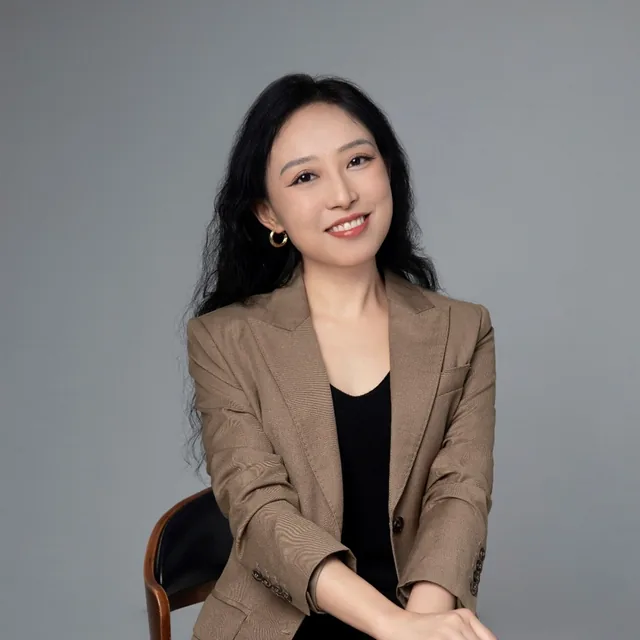
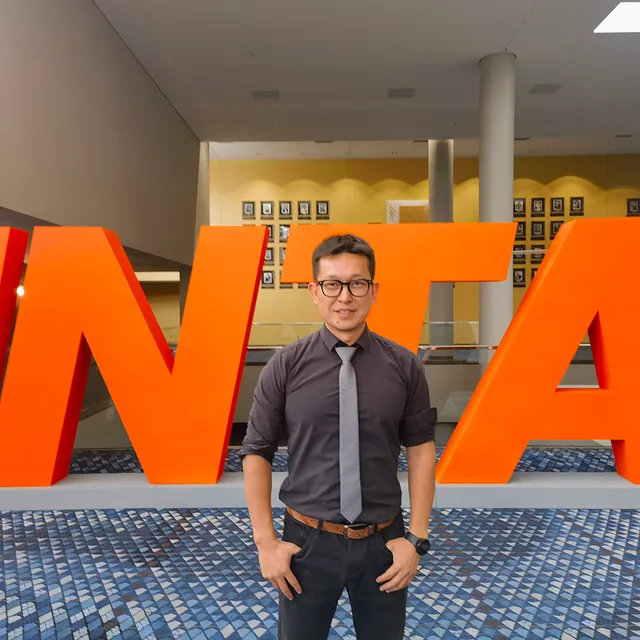
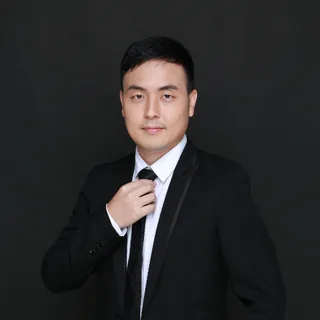



People behind the process
Your trademark question starts with your business: what you offer, where you plan to operate, and what you need to protect.
Our team helps bring that context into a clear scope for professional review.
Before engagement, we confirm who is responsible for the work and what the agreed scope includes.
Why Trademarkora exists
Trademarkora brings your trademark information and filing options together. OpenPTO coordinates cross-border work. Peter Lin and his team lead strategy and China trademark assessment.
We confirm the responsible professional and service scope before engagement.
How the structure works
Client-facing decision and application platform
Trademarkora gives clients one place to search, plan classes, compare countries, review pricing and request a professional check.
Operating and coordination network
OpenPTO provides cross-border coordination for Trademarkora.
Founder & Global Trademark Strategy Lead
Peter Lin and his team lead trademark strategy and China trademark assessment.

How responsibility becomes visible
Trademarkora is built around a practical division of responsibility: software organises records and scope; an attributable professional owns the recommendation; the customer owns purchase and final application approval.
Technology + human review
Quality and accountability
Built by an IP practitioner
Founder & Global Trademark Strategy Lead
Peter Lin and his team lead trademark strategy and China trademark assessment.
The context behind the work
A trademark question brings together business plans, records and application details. Careful preparation helps the professional reviewer see how those pieces fit together.
The agreed scope identifies the work to be done and who is responsible for it. That clarity should stay with you beyond the first conversation.

Professional context
Industry participation provides context, not endorsement, a credential, or evidence about any client matter.
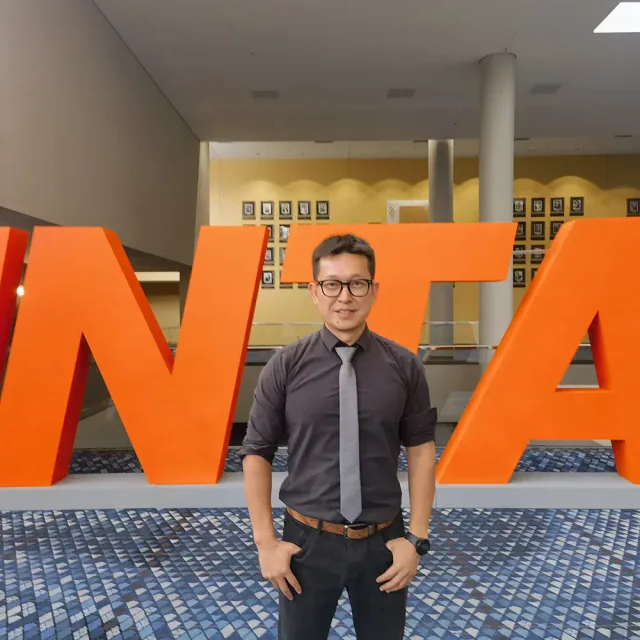
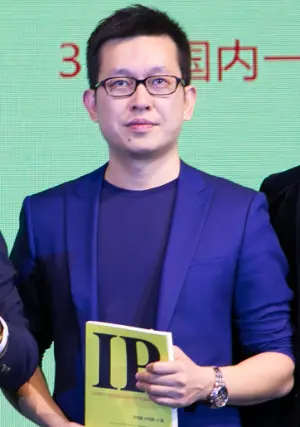
Verify the structure
Our public information page explains the confirmed platform, coordination and team roles, with background links and a contact for corrections.
Open the public evidence ledgerExample / not a client result
The check gives a direction for the proposed filing scope: Proceed, Modify or Stop, with up to three main reasons and a next step. This hypothetical example shows the structure; it does not assess or clear a trademark.
No payment is required to request the check. Using Search or AI class suggestions first is optional.
Trademarkora prepares guides and links the official sources behind factual statements. A source-check date records that research; it is separate from a legal effective date or a professional review date.
The responsible local professional, contracting entity and scope are disclosed before engagement. A Founder role or an operating-network reference does not establish a professional licence in every jurisdiction.
An article does not claim an individual attorney review unless that review is actually recorded. Preparation examples are hypothetical; public source material is not presented as a client success story.